
REFUGEE PARENTS URGED TO BEFRIEND HOST COMMUNITIES TO ACCESS LAND FOR CULTIVATION
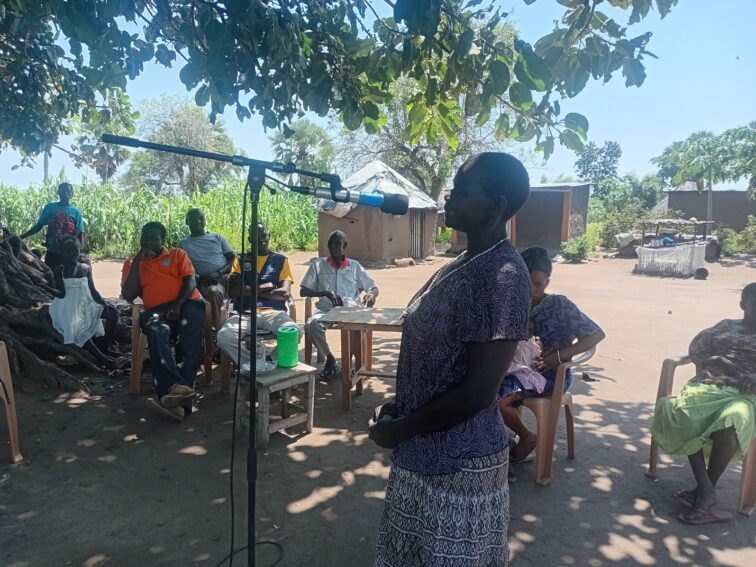
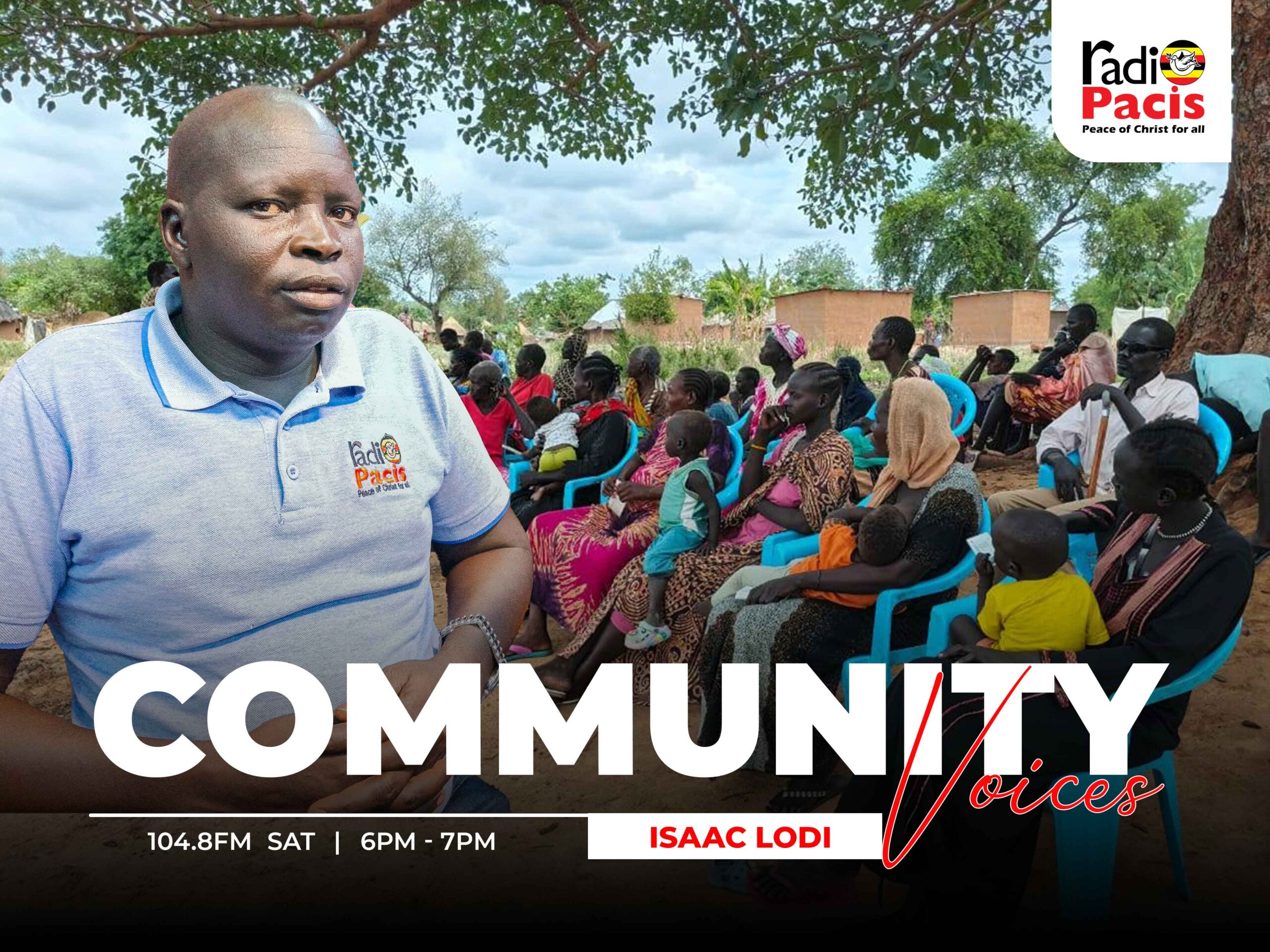
Refuge community of Keguru village zone one during the voice of the voiceless community dialogue organized by Radio Pacis.
By Ganiko Samson Bullen
MOYO
Refugee parents in Uganda’s various settlements have been urged to strengthen relationships with host communities to enable them to access small pieces of land for cultivation as a way of addressing food insecurity and reducing child neglect.
The appeal comes amid growing concerns over the reduction of food rations and cuts in food assistance, which have forced some refugees to return to South Sudan while others travel to distant areas in search of farmland.
Refugee leaders say the situation has left many children unattended, exposing them to neglect and contributing to school dropouts, teenage pregnancies and other child protection concerns.
Moses Etuu, who works with Windle International Uganda, says the introduction of categorization in refugee assistance has pushed a significant number of people of concern out of the food distribution programme.
Etuu, however, encourages refugees to engage host communities, landlords, development partners and the Office of the Prime Minister (OPM) to help them access land for cultivation.
“But let’s continue to talk to the landlords, and partners should continue to support where they can get some small pieces of land for farming,” Etuu said.
He acknowledged that accessing land remains a major challenge but noted that constructive engagement with partners and OPM could help refugee’s secure small plots for agricultural production.
Meanwhile, Kaya Henry, who works with YEI, a community-based organization operating in Palorinya Refugee Settlement, says child neglect remains a major challenge affecting children in the community. “Children are going through a lot of challenges, which is one of the key issues we have identified,” Kaya said.
He emphasized the need to sensitize parents about the negative consequences of child neglect, warning that children left without proper parental care risk missing out on education, healthy development and positive social relationships.
“Parents need to be informed about the bad effects of leaving children alone. When you neglect a child, that child may not get an education, may not grow well and may end up associating with bad peer groups,” Kaya pointed out.
Juan Rose Konyo, the Secretary for Women Affairs in the Office of the Refugee Welfare Council (RWC II), Zone One, also expressed concern over the increasing number of children being left without parental care.
Konyo says it is distressing to see young children, particularly girls, growing up without adequate parental guidance and protection. “When the children are left alone at home, I don’t feel comfortable seeing young girls being exposed to harmful behaviors in the community,” she disclosed.
The leaders are now calling for stronger collaboration between refugee communities, host communities, humanitarian partners and government authorities to address food insecurity and strengthen child protection in refugee settlements.
Upcoming on 90.9 FM
Upcoming on 94.5 FM
Upcoming on 101.4 FM
Upcoming on 104.8 FM

















Comments
This post currently has no comments.