
HORMUZ CRISIS SET TO RESHAPE GLOBAL ENERGY MARKETS, IEA WARNS
URN
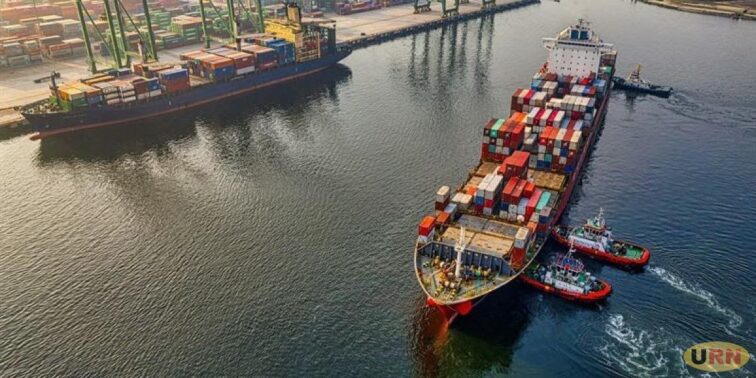
The disruptions in shipping in the Straite are impacting almost every sector of the economy
The International Energy Agency (IEA) has warned that the Middle East conflict and disruptions to shipping through the Strait of Hormuz are likely to reshape global energy markets for years, as countries reconsider their dependence on imported fuels and seek more secure and affordable energy supplies.
In its World Energy Outlook 2026, the agency says the crisis has exposed vulnerabilities in global energy supply chains and could accelerate investment in renewable energy, nuclear power and domestic energy resources as governments seek to reduce exposure to geopolitical disruptions.
The report comes amid growing geopolitical tensions, trade disputes, rising climate risks and cyberattacks targeting energy infrastructure, which have compounded uncertainty in global energy markets.
IEA Executive Director Fatih Birol said the disruption to energy supplies through the Strait of Hormuz had delivered a major shock to the global economy, with the effects likely to deepen the longer the crisis persists.
“The Hormuz crisis has delivered a huge shock to the system. While the energy sector and the global economy have shown considerable resilience, the longer the crisis lasts, the deeper the effects will be. And I don’t see any credible pathway for the energy world to return to the way it was before,” Birol said.
He said the 2026 outlook examines different possible energy futures rather than making predictions, providing governments with analysis to guide decisions amid growing uncertainty.
Birol cautioned that countries pursuing energy security should avoid replacing dependence on one source of energy with another, noting that energy security and the transition to cleaner energy sources were becoming increasingly interconnected.
The report identifies three emerging priorities in government responses to the crisis: diversifying energy supplies and trade routes, increasing reliance on domestically available resources and accelerating electrification across different sectors of the economy.
The Strait of Hormuz, a major route for global oil and gas shipments, has become a particular concern because of the disruption to international energy flows.
The IEA estimates that before the crisis, approximately 20 million barrels of oil passed through the strait daily.
In a scenario where serious shipping disruptions persist, investment in alternative pipelines, new supply sources and measures to reduce oil demand could lower flows through the strait to 8.5 million barrels per day by 2030 and below two million barrels by 2035.
However, the report notes that even under this scenario, the Middle East would remain the world’s largest exporter of oil to international markets.
The agency says renewable energy, particularly solar photovoltaic power, and nuclear energy stand to benefit most from the growing preference for domestic energy resources. Energy efficiency and biofuels are also expected to gain ground.
However, the report cautions that some Asian countries could extend their reliance on coal because of abundant domestic reserves and concerns about the security of imported oil and natural gas.
The crisis is also accelerating the global shift towards electricity. According to the IEA, electricity demand has grown faster than the global economy since 2019 and at twice the rate of overall energy demand.
The growth has been driven by increased use of electric motors in industry, household appliances, air conditioners, electric vehicles, heat pumps and data centres.
The agency projects that electricity demand will grow even faster through 2035, with electricity accounting for close to 30 per cent of global final energy consumption across the scenarios examined.
Higher and more volatile fuel prices are also strengthening the economic case for electrification, with some countries reporting increased sales of electric vehicles and growing demand for solar panels and batteries.
The outlook also examines the possibility of a resolution to the Middle East conflict, which could trigger a strong recovery in global oil and natural gas supplies.
The agency says a delayed wave of liquefied natural gas supplies entering the market could create a buyer’s market for oil and gas, putting downward pressure on prices as inventories are replenished.
However, structural changes in energy demand, particularly the faster adoption of electric technologies, could continue to influence the long-term prospects of fossil fuels.
The report also raises concerns that the crisis could reverse recent progress in expanding access to electricity and clean cooking, particularly in developing countries.
Although access to electricity and clean cooking improved in 2025, higher fuel prices and supply shortages in 2026 threaten to slow further progress.
On climate change, the IEA warns that despite the expected acceleration in low-emissions energy technologies, current government policies remain insufficient to limit global warming to 1.5 degrees Celsius.
The agency estimates that pathways based on existing or announced policies could result in global temperature increases of between 2.5 and 2.9 degrees Celsius.
Birol said countries must look beyond the immediate energy crisis and consider the long-term implications of decisions being made today.
“The pressures of the current crisis must not obscure the choices that will shape energy security, sustainability and prosperity for the decades to come,” he said.
He added that although countries would pursue different energy pathways depending on their resources and national priorities, international cooperation would remain essential in building a more secure, affordable and sustainable energy system.
For Uganda, this raises important questions about how the country’s investments in oil and gas, hydropower, solar energy and electricity infrastructure will position it in a changing global market.

Comments
This post currently has no comments.