
ARUA CITY LEADERS DEMAND FULL INVOLVEMENT OF LOCAL FARMERS IN UTILIZATION OF VALUE ADDITION FACILITY
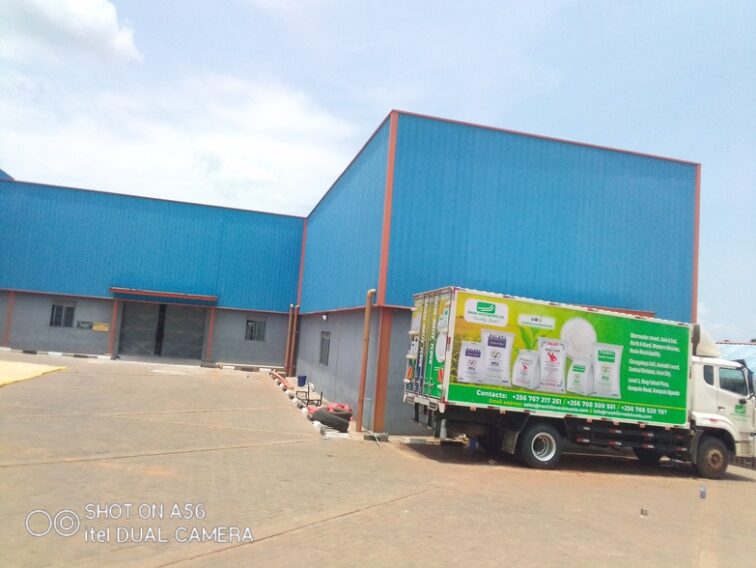
The value addition facility. Photo by Sunday Amandi.
By Sunday Amandi
Arua city
Concerns are arising over the failure by the local farmers in West Nile to benefit from the Arua city high value addition facility established in Awindiri ward in the central division that forces Rwahi investments, the operator of the facility to source for the raw materials like maize, millet, cassava from the different parts of the county.
According to the findings at the facility, the local supply it receives is less than 25 percent of what is required, and the biggest percentage of the produce processed at the facility comes from outside West Nile.
Nadia Iddi Hassan, the female councilor for Awindiri ward blames the operator of the facility for their failure to fully involve the local farmers in different ways to enable them benefit from the established facility,
“Our communities have not been trained on exactly what the value addition facility really needs, the best the factory can do is to source out farmers from these districts so as to have enough raw materials to the processing factory rather than importing them from other districts yet we have all these in Arua,” Nadia said.
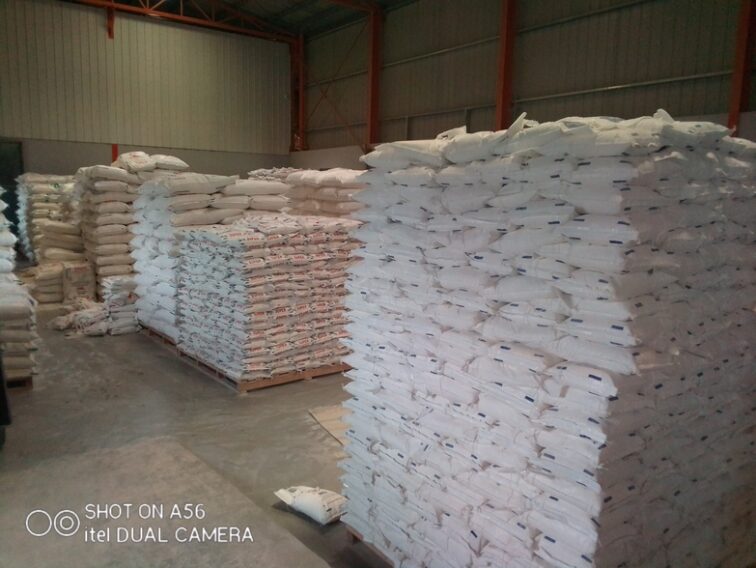
Products from the facility.
However, Rashid Oshino, the councilor for Bazar ward in the central division, who is also the secretary for works, production, natural resources and technical planning in the division urges the local leaders to take the role of educating their people in the ways they can make use of the facility,
“It is our mandate, all the political leaders, including the religious leaders to go out and mobilize farmers so that the farmers come and benefit, the limitations of area of operation is actually not there, Rwahi only goes for quality and the people who can actually benefit from this great industry,” said Oshino.
Joseph Olubpot, the director for Rwahi investment says, they are using the different avenues to reach to the local population, urging them to produce and supply the facility,
“As the value addition, we are not actually segregating that we need big quantities, we always have transport, just tell us you are here, then we shall come, for example schools if they have their maize, we can mill for you, if you want to do your business, you can bring your maize for example one or two turns, we mill for you in the world class standard, you go and sell it, we are trying to reach out to people through PDM, we are interacting with extension workers to reach out to different groups,” Olubpot said.
The facility requires about fifty turns of raw materials daily, and these are the food stuffs that can yield well in the region.

Comments
This post currently has no comments.