
EXTEND PERIODS OF HANDS ON SKILLS TRAINING FOR REFUGEE YOUTH, STAKEHOLDERS PETITION
By Morish Dramadri
Arua city
Stakeholders in Arua city have implored Non-Governmental Organizations (NGOs) working within Refugees and host communities in the region to extend the periods of the hands on skills trainings opportunities eyeing the youth in both the refugee and host communities within the region.
Since the mass arrival of the South Sudanese refugees in Uganda from January 2016, many organizations have offered short term opportunities for the refugee youth and host communities to train in hands on skills for 3-6 months and this according to the leaders is leaving the youth half baked.
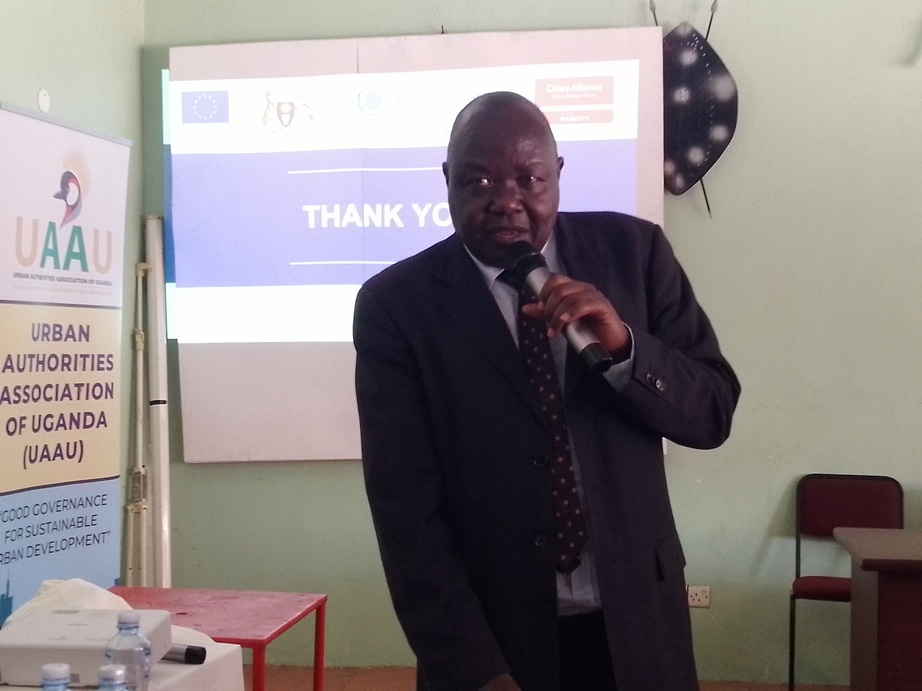
Solomon Osakan the West Nile regional Refugee Desk Officer from the Office of the Prime Minister petitioned that a longer period be given to train these people in order to provide them chance to access higher levels.
“I think it’s time now to train people for slightly a longer term instead of 3 months, lets have something for about three years there their level would have improved and they can even go for higher studies, these people we are ignoring are the ones doing installation on our houses, build our houses,” Osakan argued.
Equally, Hon. Enatu Simon the Arua city male youth councilor observed that little impact of the trainings have been seen in society, “you are skilling them and then they come out without startup kits, the people we take there are the people who are most vulnerable they cannot even afford anything, there should be some vote for startup kits at the sendoff of the training,” Enatu suggested.
Arua city service commission chairperson Knight Ajio is optimistic that embracing vocational skills can help to abate the high unemployment among the people in the city.
“When we entrust these people with these kind of things, the people who come out of those institutions will be able to do well, in December 2024 there were vacancies for 29 primary school teachers we received 486 application letters, this calls for more vocational training centers to equip our youths with skills for survival,” Ajio believed.
Meanwhile Amule Dick Isaac, the senior programs officer at ACAV that is implementing the Support from Urban Integration of Displacement-Affected Communities (SUIDAC) project assured that “Giving opportunity for vulnerable young people to get the opportunity of continuing or furthering their skills training upwards, those pathways are clear, we wotrk with the Directorate of Industrial Training D.I.T, the certificate marks the beginning for you to climb up,” Amule revealed.
Among the main skilling disciplines eyed by the organizations include Tailoring and garment cutting, catering and hotel management, building and concrete practice, carpentry and joinery, salon and hair dressing, welding and metal fabrication among others.
Upcoming on 90.9 FM
Upcoming on 94.5 FM
Upcoming on 101.4 FM
Upcoming on 104.8 FM







Comments
This post currently has no comments.