
GULU RESIDENTS URGE MEN AND WOMEN TO SHARE RESPONSIBILITIES FOR A PEACEFUL FAMILY
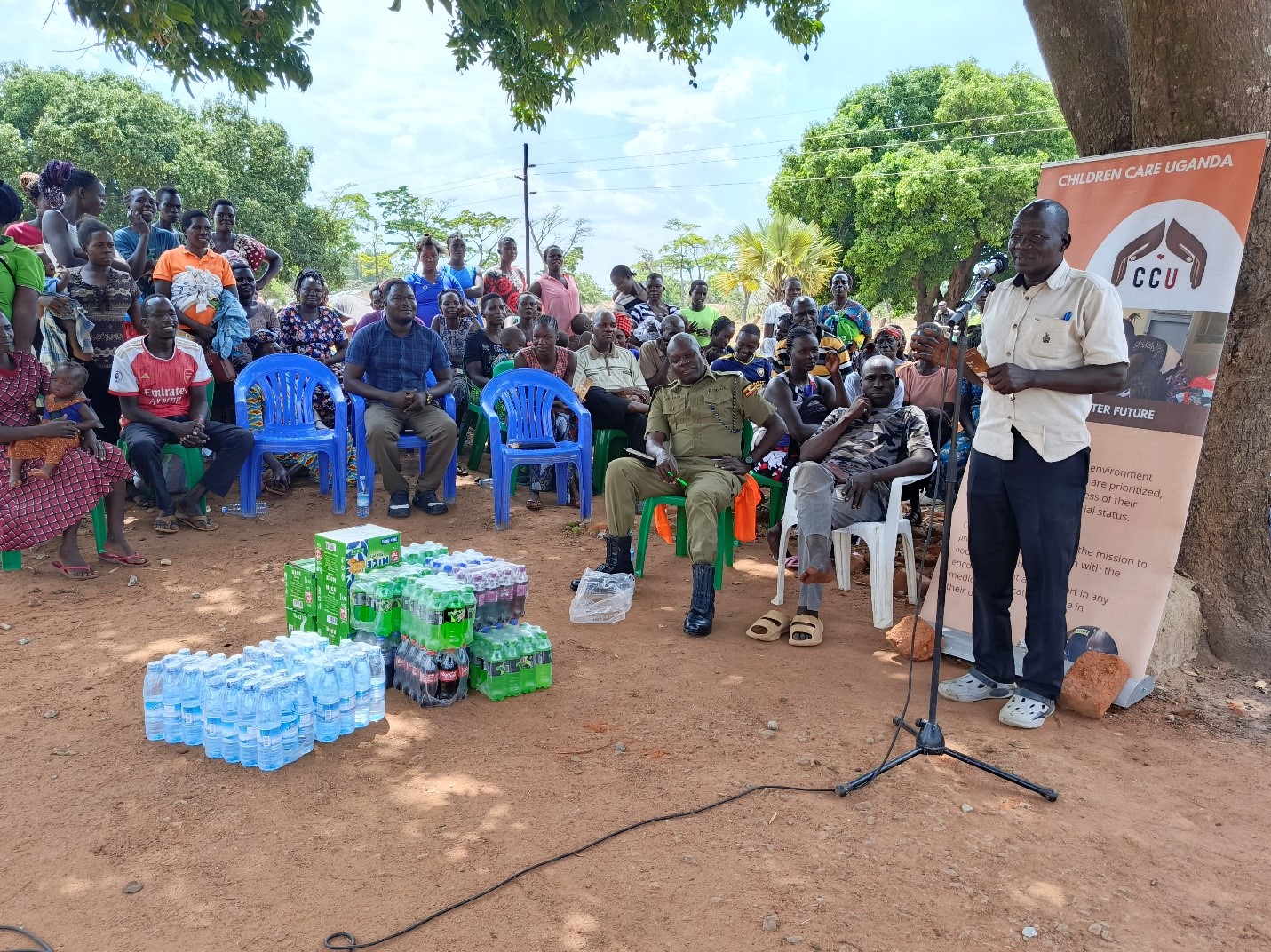
A community member speaking during the dialogue session.
By Achomo Proscovia
Gulu
A recent community dialogue organized by Children Care Uganda in Cwero trading center, Paicho Parish, Gulu District, to commemorate Women’s Day, brought to light growing concerns over the unequal distribution of responsibilities between men and women in households.
Residents particularly women voiced frustration, saying that men have increasingly withdrawn from their traditional roles as providers, leaving women to bear the weight of financial and domestic duties alone.
During the discussion, many women shared personal stories of how they are struggling to manage both childcare and household expenses without sufficient support from their male partners. Some noted that the economic challenges in the country have made it even harder for single-income households to survive, yet many men have stepped back rather than contributing equally.
“Men used to be heads of households ensuring that their families had food, shelter, and school fees for children. Now many of them leave everything to us while they spend time in leisure activities,” said Caroline Adong a woman in the gathering. Others echoed her concerns, pointing out that the burden of survival is now disproportionally placed on women, who juggle multiple jobs while still expected to manage all domestic responsibilities.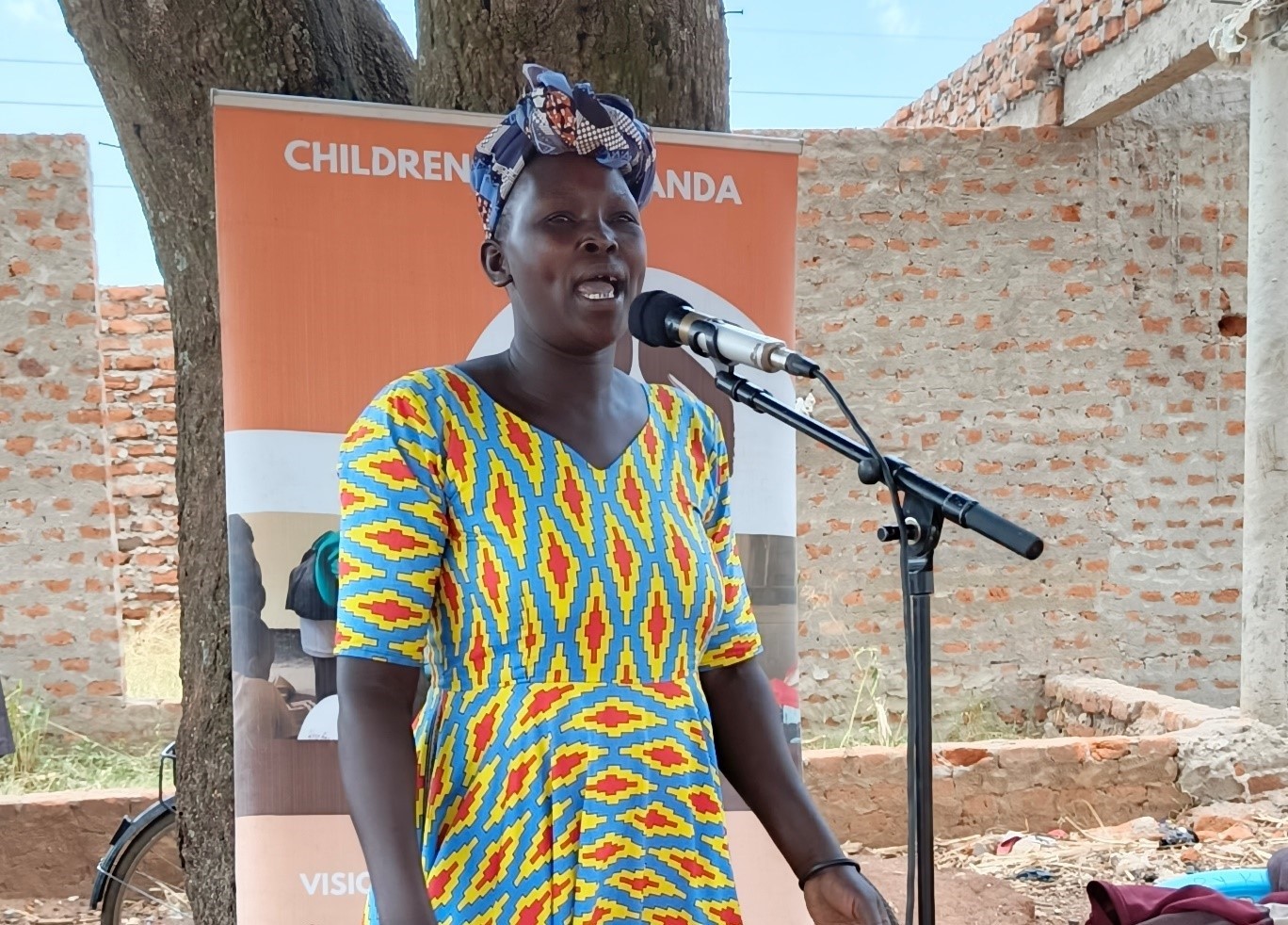
A woman contributing to the topical discussion during the dialogue.
Agnes Adido Lakwo, a resident of Cwero trading center highlighted the lack of cooperation between couples as a key issue stating that many conflicts arise because spouse do not work together. She pointed out that while couples often dig together in the fields, men frequently take control of the harvest, selling produce without consulting their wives.
“If couples truly worked together in all aspects, there would be fewer conflicts,” she said. “We need to not only farm together but also harvest together, sell together, and plan together. This way, we can avoid misunderstandings and create harmony in our homes.”
She urged families to embrace unity and shared decision-making to promote and financial stability in their households.
Francis Omeda, also a resident of Cwero trading center expressed concern over the rising number of men dying prematurely, attributing it to stress within marriage. He observed that many men feel overwhelmed when their wives change their behavior over time, leading to conflict and tension in the home.
“A man expects his wife to listen to him, but when that respect fades, problems arise, “he said.
However, Francis emphasized that mutual understanding is key to a stable marriage. He urged couples to embrace forgiveness, foster peace, and create harmony within families. “When there is love and cooperation at home, children grow up in a stable environment, learning the values of respect and unity,” he added.
In response to these concerns, community leaders in attendance including Rashid Okello, Vice chairperson Local Council I of Ajanyi village, Cwero parish stressed the importance of shared responsibilities in families. He pointed out that gender roles are evolving and that economic hardships require both men and women to work together to ensure the well-being of their households.
“A strong household is built on partnership. When men and women share financial responsibilities, decision-making, and domestic work, the entire family benefits,” he said.
Some speakers at the dialogue also noted that empowering men and women with financial literacy, employment opportunities, and counselling services could encourage them to take a more active role in supporting their families.
Alice Ogal, the Project Director of Children Care Uganda, argue that when men and women work together, the benefits go beyond individual household.
Communities become more stable, children receive better care and education, and economic opportunities. “Households where both partners contribute financially tend to have better food security, improved healthcare, and reduced domestic conflicts,” says Ogal.
She also highlighted that, addressing these issues is not just about fairness but also about survival in today’s economy. “No one can thrive alone in these times. We need a collective effort where men and women both contribute to household welfare and development,” she stated.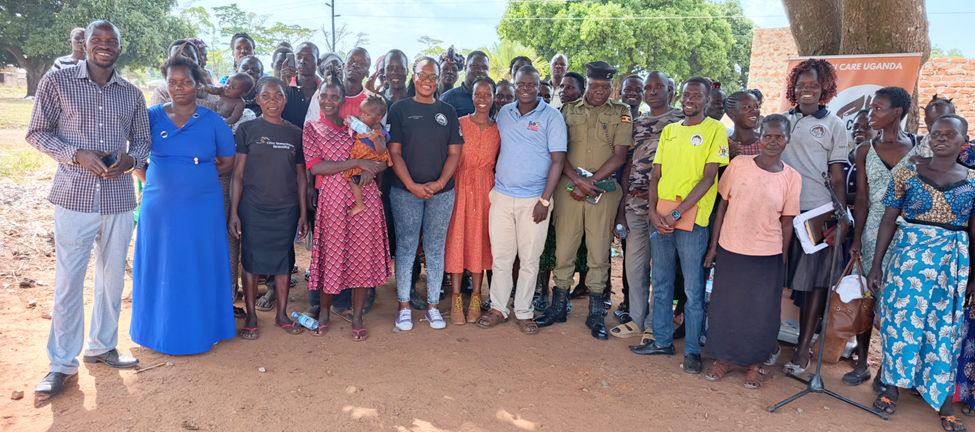
Participants capture a moment together with the staff of Children Care Uganda following the dialogue.
To address this challenge, several recommendations were made during the dialogue including community awareness campaigns, financial literacy and employment programs, household budgeting and planning, strengthening family values and government and NGO support.
As discussions on gender roles and shared responsibilities continue, residents of Gulu hope that more men and women will step up and take more active role in their families. Community leaders are urging everyone-men, women, policymakers, and organizations to join hands in fostering a culture of responsibility and partnership.
The dialogue concluded with a renewed commitment to push for social change, ensuring that both men and women contribute to building stronger, more resilient families for a better future.
Upcoming on 90.9 FM
Upcoming on 94.5 FM
Upcoming on 101.4 FM
Upcoming on 104.8 FM















Comments
This post currently has no comments.