
ILLEGAL FISHING CRACKDOWN IN UGANDA TRIGGERS SILVERFISH (MUKENE) SHORTAGES, PRICE HIKES, AND URGENT NEED FOR REFORM
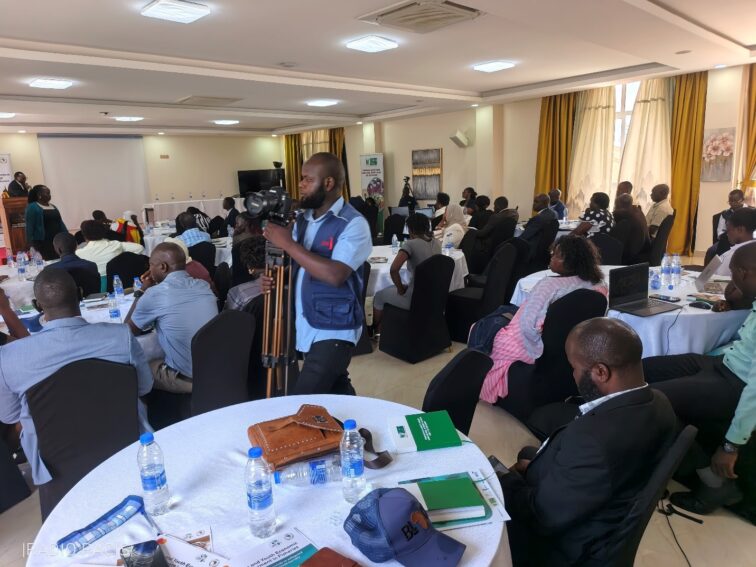
Ministry of Agriculture Animal Industry and Fisheries officials and other stakeholders during the third Uganda women and youth cross-border dialogue in Arua City (Photos by Onzoma Albert)
By Onzoma Albert
Arua City
The enforcement actions by the 155 Marine Battalion in West Nile region have significantly impacted the silverfish (Mukene) sector, resulting in a sharp increase in demand and market prices for the fish. These operations targeted illegal fishing methods, such as the use of destructive “hurry-up” nets (kokota) and artificial lights, which were widely relied upon for harvesting large quantities of mukene.
The crackdown has caused a scarcity of legally caught mukene, affecting local markets and increasing prices from an average of Shs 40,000–50,000 to Shs 120,000–150,000 per basin. This surge places a financial strain on lower-income households that depend on affordable protein sources like mukene, posing a threat to regional nutrition and food security.
Recho Ajambo, the Kilimo Trust country team leader for Uganda, assured traders that ongoing discussions with the government aim to lift the temporary ban on mukene.
“Government is reassuring us that the temporary ban will end soon while they are discussing the new regulations on what they expect to be the exact size of mukene that needs to be fished and the right size of fishing gear, I believe that once the mukene now becomes available the price will go down but for now the price is high because of scarcity” she said.
Meanwhile, Lieutenant Agrey Achon, the commanding officer of the 155 Marine Battalion, explained that the temporary fishing restrictions are intended to protect fish stocks from illegal and destructive fishing practices. He pledged to escalate concerns to higher authorities to establish sustainable fishing regulations.
“We protect fish stocks from illegal fishing, I want to encourage our traders to be open in such dialogues and there is no need to hide anything so that I can capture them and forward to my bosses for appropriate action and corrections, for us we don’t make laws but enforce the laws been passed by parliament” he said.
Richard Migadya, a principal fisheries officer with the Ministry of Agriculture Animal Industry and Fisheries, clarified that the restrictions are meant to preserve the lake’s ecosystem and prevent overexploitation of fish such as Nile Perch.
“Nobody has ever banned mukene fish in Uganda and what was banned was the method of fishing mukene and take it from that mukene has never been banned in Uganda, the type of nets used for fishing mukene was the one banned and what followed the net was the lights used by fishermen especially on lake Albert, if someone says mukene was banned in Uganda that’s a false statement” he said.
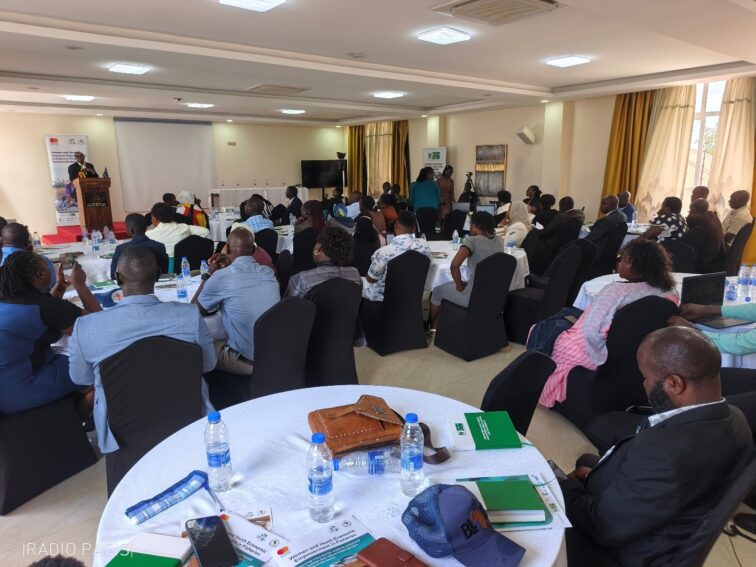
National and regional stakeholders discussing the bottlenecks affecting cross-border fish trade in northern Uganda during the third Uganda women and youth cross-border fish trade dialogue in Arua City.
The regulations aim to reduce harmful fishing techniques that damage breeding areas and juvenile fish populations.
The restrictions were discussed at the third Uganda Women and Youth Dialogue on cross-border fish trade held at Hotel Le-confidentiel in Arua City, organized under the WYEEFIMA program. The forum brought together traders, policymakers, security agencies, local governments, financial institutions, private sector actors, and development partners to review recommendations and strategize on improving women’s and youth participation in the formal fish trade sector.
In light of these measures, the government is finalizing new regulations to be presented to the Cabinet. These regulations plan to ease military presence at landing sites and revert management responsibilities back to locally elected landing site councils. A key component of the new framework includes evolving licensing protocols and restricting allowable boat sizes for mukene fishers, reducing permitted lengths from 29 feet to 24 feet. These steps aim to promote sustainable fishing practices and better manage fish stocks moving forward.
The Marine Battalion continues to confiscate illegal gear, such as the “hurry-up” nets and artificial lights used to sweep the lake floor, which have been associated with juvenile fish and breeding zone destruction. Fishers are now mandated to adopt traditional scoop-fishing methods (chota-chota), which permit juvenile fish and smaller species to escape, thereby supporting ecosystem health. Due to the heavy reliance on these banned methods, supply chains have been disrupted, leading to increased prices and reduced availability of mukene in regional markets.
These regulatory shifts and enforcement actions are designed to foster sustainable fishing, protect fish populations, and ensure the long-term viability of the sector. However, the immediate effect has been market instability, higher prices, and nutritional challenges for local communities that depend on mukene as a staple source of affordable nutrients like calcium and omega-3 fatty acids. The government’s efforts to involve local management and community stakeholders underscore the importance of balancing ecological conservation with socio-economic needs.
Upcoming on 90.9 FM
Upcoming on 94.5 FM
Upcoming on 101.4 FM
Upcoming on 104.8 FM



















Comments
This post currently has no comments.