
PACTA UGANDA TO HOLD FREE MENTAL HEALTH AND ADDICTION COMMUNITY CAMP IN GULU ON NOVEMBER 12TH
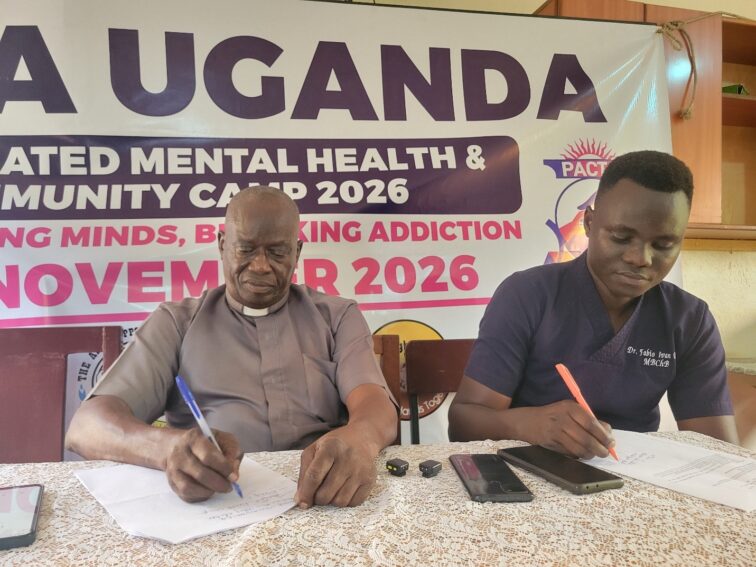
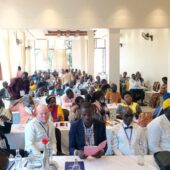
Fr. Samuel Okidi and Dr. Fabio Olal during the press conference at PACTA
By Biko Rombe
Gulu City
PACTA Uganda has announced plans to hold a free integrated mental health and addiction community camp on November 12, 2026, as part of efforts to improve access to mental health services, tackle substance abuse and reduce stigma surrounding addiction in northern Uganda.
The camp, scheduled to take place at the PACTA Uganda Addiction Treatment and Rehabilitation Centre in Forgot, Bardege-Layibi Division, Gulu City, will bring together health professionals, counsellors, community leaders, young people, families and partner organizations to provide screening, counselling, health education and referral services.
Speaking during a press briefing at the facility on Tuesday, October 27, Dr Ivan Fabio Olal, a medical officer with PACTA Uganda, said the initiative was intended to bring essential health services closer to the community while encouraging people experiencing mental health and addiction challenges to seek professional help.
The activity will run from approximately 7am to 5pm, with organizers targeting at least 1,000 beneficiaries on the day. Through pre-event mobilization, radio broadcasts, social media and community outreach, PACTA also hopes to reach more than one million people with awareness messages.
“Our purpose is to bring community health education, screening, counselling and referral services closer to our community,” Dr Olal said, adding that the campaign would also promote health-seeking behavior and challenge the stigma associated with mental health conditions and addiction.
The initiative will run under the theme “Healing Minds, Breaking Addiction, and Restoring Hope.”
Multiple health services to be offered free of charge
Organizers said the community camp would provide several services, with participating partners supporting the delivery of care at no cost to beneficiaries on the day.
Mental health and addiction services will be a central component of the activity. Participants will have access to awareness sessions, clinical assessments, counselling and referral services for further treatment where necessary.
The organizers said professional counsellors and health workers would be available to assess people experiencing mental health difficulties or problems associated with alcohol and other substances.
The programme will also include free HIV testing and linkage to care, with TASO Uganda among the partners expected to support service delivery.
Cancer screening will cover breast cancer, cervical cancer and prostate cancer for men aged above 40, with the Uganda Cancer Institute expected to participate. People who require further medical attention will be referred for continued care.
Other services will include dental check-ups, eye examinations and sickle cell screening. The organizers also announced plans for youth engagement, family support, health education sessions and the sharing of recovery experiences by people who have overcome addiction.
Blood donation was also mentioned during the briefing as part of the planned activities. Uganda blood bank will take charged of this
Dr Olal urged residents to use the opportunity to seek screening and advice, particularly those who have delayed accessing healthcare because of cost, fear or stigma.
He said the involvement of partner organizations would help strengthen referrals and follow-up for people identified as needing further treatment.
Addiction remains a concern for families and communities
The planned camp comes amid concerns raised by health professionals and community leaders about alcohol and substance use, particularly among young people.
Dr Olal cited figures from studies and surveys discussed during the briefing to illustrate the scale of the challenge. He referred to a study conducted among secondary school students in northern Uganda that reportedly found high levels of exposure to alcohol and other substances.
He also referred to a 2023 survey indicating that 41 per cent of people aged 18 to 69 were current alcohol drinkers. The figures were presented by the speaker during the briefing and should be read in the context of the respective studies and their methods.
Health professionals at the event warned that problematic alcohol and substance use can affect physical and psychological wellbeing, family relationships, education, employment and wider community life.
Dr Olal said prolonged substance use could contribute to a range of health problems and expose individuals to additional risks, underscoring the importance of screening, early intervention and appropriate treatment.
He explained that PACTA’s approach to addiction treatment considers biological, psychological, social and spiritual dimensions, while involving families and communities in the recovery process.
The organizers said the camp would therefore go beyond providing medical services to include public education aimed at helping people recognize warning signs, understand available treatment options and support affected relatives.
Uganda Medical Association backs the initiative
Dr Ochora Joel Opiyo, the secretary for publicity and mobilization for the Uganda Medical Association’s Acholi sub-region branch, expressed support for the initiative.
He said mental health and addiction services needed to be strengthened within communities and encouraged media houses and residents to help mobilize people who could benefit from the camp.
Dr Opiyo noted that addiction can affect people from different social and professional backgrounds, and urged the public to avoid treating substance-use problems simply as personal weaknesses.
He also raised concern about the dangers associated with alcohol dependence and withdrawal, cautioning that people who have developed severe dependence should not attempt to stop drinking abruptly without appropriate medical guidance.
Severe alcohol withdrawal can cause life-threatening complications, including seizures. Medical assessment is therefore important for people who may be physically dependent on alcohol.
The speakers emphasized that early intervention, counselling, professional treatment and continued support can help individuals and families address addiction-related difficulties.
PACTA calls for greater community involvement
Fr. Samuel Okidi Mwaka, founder and director of PACTA Uganda and head priest in the Archdiocese of Gulu, said the organization was established in response to the challenges facing individuals and families affected by alcohol and substance use.
He explained that PACTA stands for the Programme for Prevention, Awareness, Counselling and Treatment of Alcoholism and Addictions.
According to Fr. Okidi, the organization was founded in 2004 and initially concentrated on community sensitization, outreach programmes and public awareness. It later established an addiction treatment and rehabilitation center in northern Uganda to make treatment more accessible to people who might otherwise have to travel long distances.
He said the treatment center, established on August 1, 2018, had supported 524 clients between its opening and October 2026. He reported that approximately 70 per cent of those clients had remained sober, healthy and productive.
Fr. Okidi said PACTA provides medical care, individual and group counselling, psychosocial support, life-skills training, nutrition support, recovery fellowships and family therapy as part of its rehabilitation programme.
He described addiction as a condition that affects not only the person using alcohol or other substances but also relatives and the wider community.
“Addiction is a family disease,” he said, highlighting the need for families to understand the condition and participate in the recovery process.
He added that the organization’s work also extends to schools through sobriety clubs and peer education, with the aim of preventing young people from developing harmful patterns of substance use.
However, he acknowledged that the cost of residential addiction treatment remains a challenge for many families, reinforcing the importance of community-based initiatives that can provide screening, information and referrals.
Breaking stigma and encouraging early help
A recurring message during the briefing was the need to address the shame and stigma that can prevent people from seeking help for addiction and mental health conditions.
The speakers said some individuals may deny that they have a problem or fear being judged by relatives, friends and members of the community.
They called on families and community leaders to respond with understanding and encourage people experiencing difficulties to seek appropriate professional support.
The planned camp is intended to provide an opportunity for residents to ask questions, receive health information, undergo screening and learn where to access further care.
Organizers also urged young people, non-governmental organizations, community-based organizations, health professionals and local leaders to take part in the campaign.
Venue and participation
The Integrated Mental Health and Addiction Community Camp will take place on Thursday, November 12, 2026, at the PACTA Uganda facility in Forgot, Bardege-Layibi Division, Gulu City.
the facility is approximately four kilometers from Gulu City along Juba Road, near Wiyawaranga Primary School and the railway crossing.
Activities are expected to begin at around 7am and continue until approximately 5pm.
Residents are encouraged to attend for the available screening, counselling, health education and other announced services. Those requiring further care will be directed to appropriate referral services.
As preparations continue, PACTA Uganda says it will work with media organizations, community networks and other partners to spread awareness ahead of the event.
The organizers hope the initiative will help more people recognize mental health and addiction challenges, seek assistance earlier and support affected individuals and families without discrimination.
The message from the briefing was clear: addressing addiction and mental health requires more than treatment facilities alone; it also requires informed families, supportive communities, accessible health services and sustained public engagement.
Upcoming on 90.9 FM
Upcoming on 94.5 FM
Upcoming on 101.4 FM
Upcoming on 104.8 FM












Comments
This post currently has no comments.